Platform and devices

Indoor air quality monitoring: one platform for every room. Devices only where they are missing.

The platform brings together your existing data, our sensors and the AI models – live, around the clock. The devices add measuring points where no data exists yet.

Software

The platform

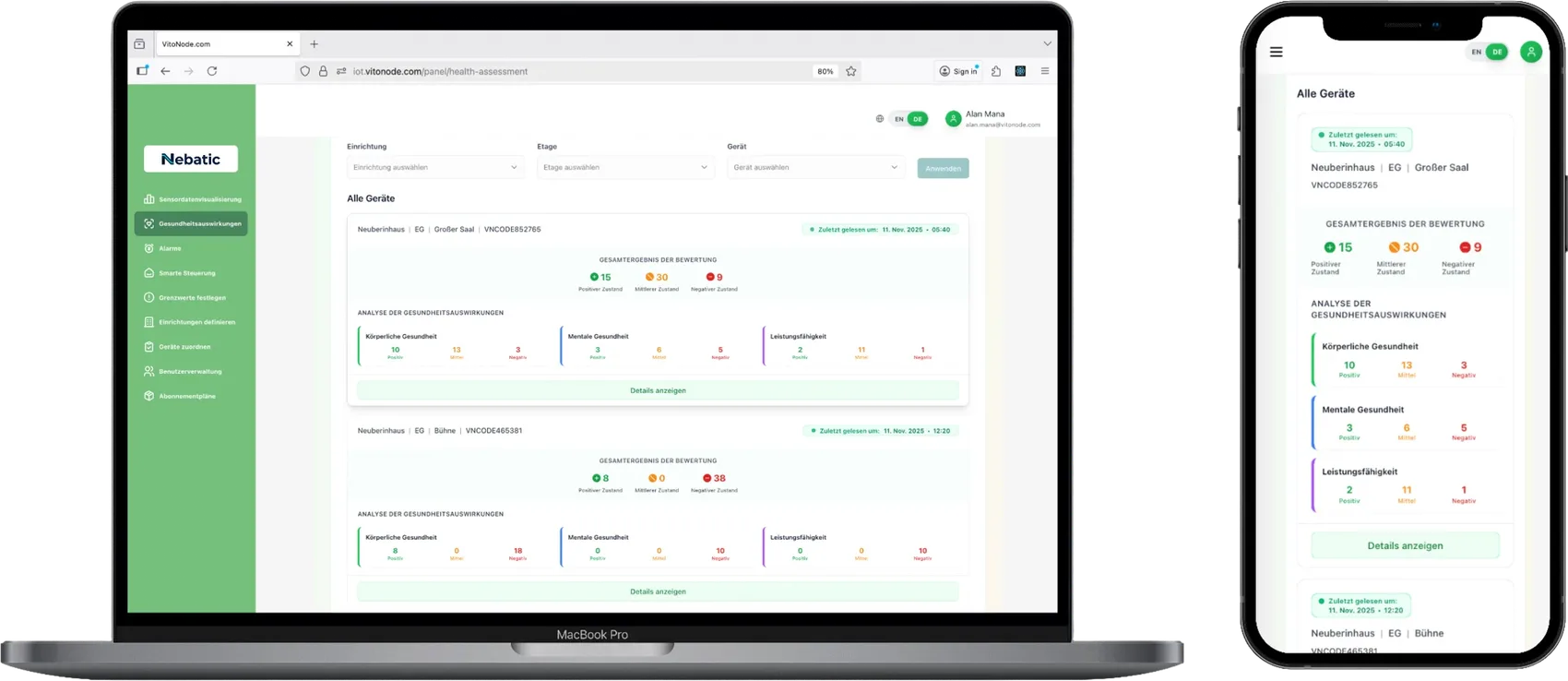
Web app and mobile app. Here you see every room on the floor plan, the indoor climate analysis and the AI’s alerts.

Analysis per room on laptop and phone: physical and mental wellbeing and performance
Analysis per room
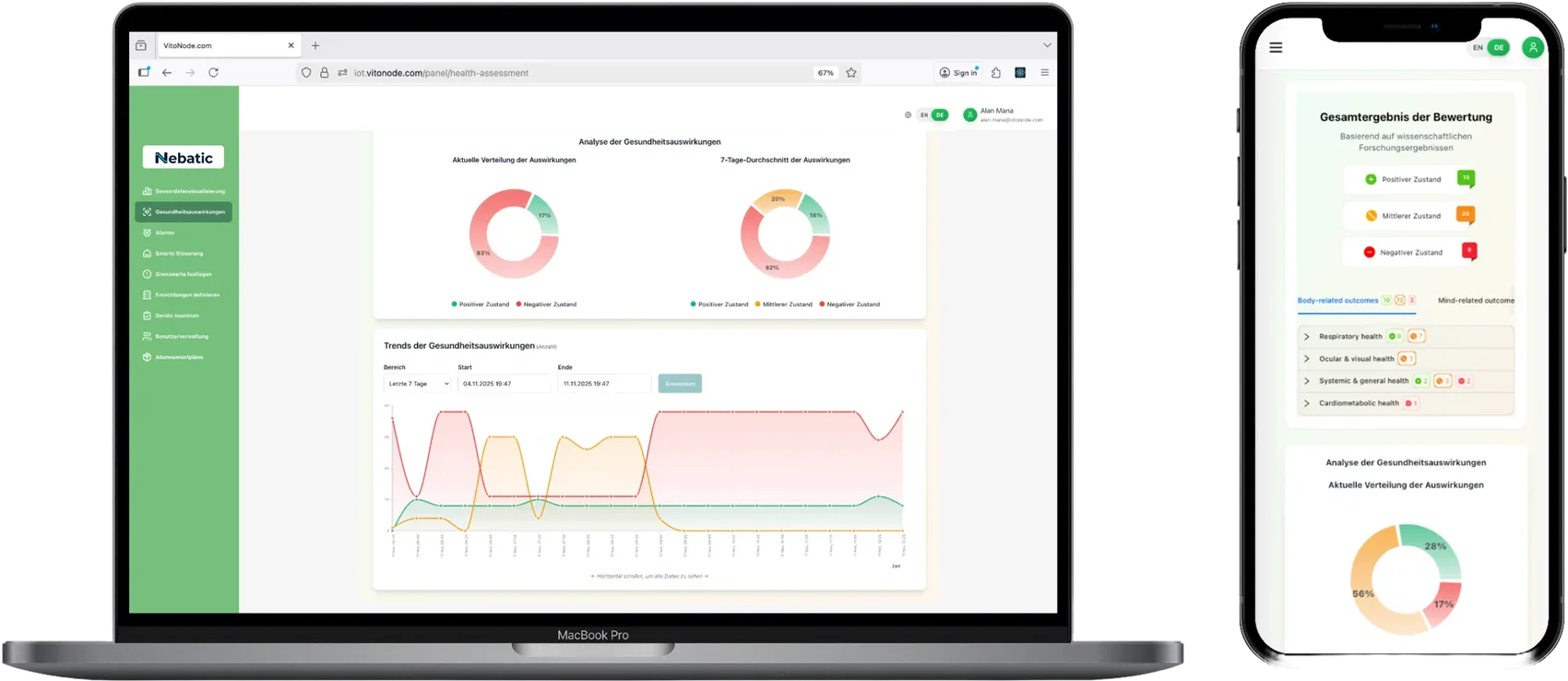
Distribution and trend of indoor climate effects over seven days on laptop and phone
Distribution and trend over time
  • Live view on the floor plan

    Every room in your facility appears on the floor plan, with all variables in real time. In the browser and as an app, for management, wards and technical staff.

  • Analysis of wellbeing, energy and operations

    Multi-level and per room: every variable is linked to its effect on wellbeing, consumption is analysed per area and the condition of equipment is checked continuously.

  • AI analysis per room

    Room context from the floor plans and live data train one model for every room. It learns the room’s normal behaviour and detects deviations.

  • Real-time alerts

    When a room leaves its target range, the person responsible gets an alert with a concrete recommendation – quietly, with no alarm in the room.

  • Target values and control

    Target values per room type are fully adjustable. Connected ventilation, heating, lighting and sun shading can be controlled by the platform within the limits you allow.

  • Trends and reports

    Trends over days, weeks and months, reports per ward or area – for management, technical staff and owners.

  • Roles and access

    Each role sees what it needs: ward management their ward, technical staff the equipment, management the overview.

  • Open interfaces

    Connection to building management, meters and your own systems. Data can also be passed on to your systems.

How data flows

From reading to response – in real time.

  1. 01

    Measure

    Sensors and existing systems deliver data from every room continuously.

  2. 02

    Bring together

    The platform assigns every value to the right room on the floor plan.

  3. 03

    Understand

    The AI models judge the values in the context of room, use and time of day.

  4. 04

    Act

    An alert to the team or control of equipment – and every response flows back into training.

Hardware

The devices

Fact & Feeling measures with the devices of our sister brand Nebatic. Depending on the facility, its requirements, availability and existing equipment, we also integrate suitable sensors from other manufacturers and suppliers.

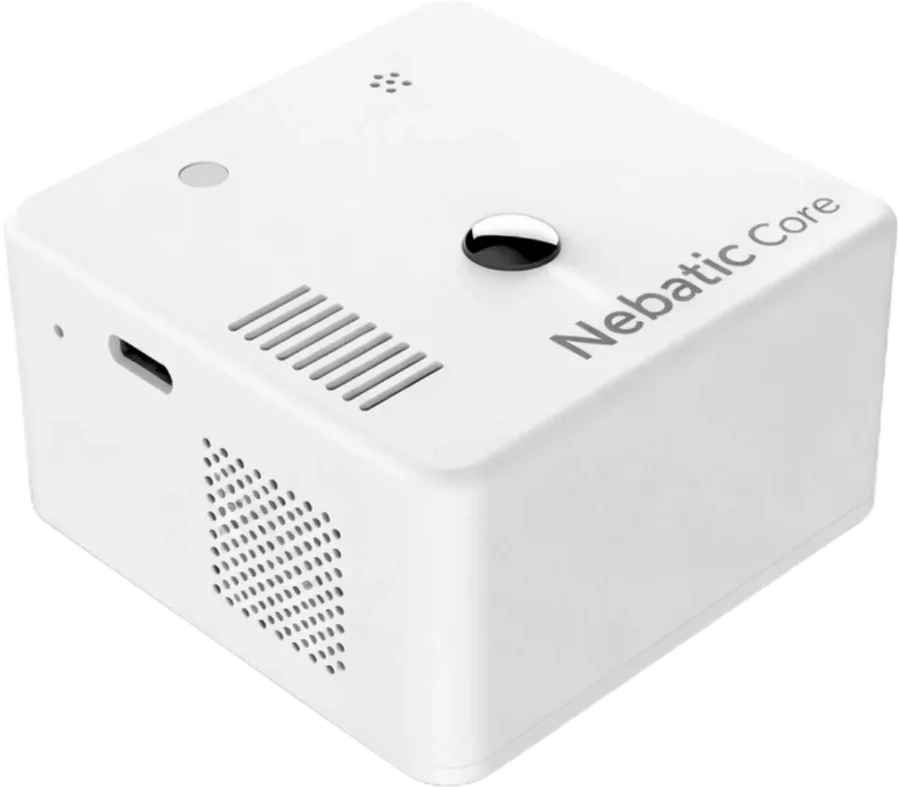
Nebatic Core, white measuring device

Nebatic Core

The complete device for indoor climate, light and acoustics – for patient rooms, therapy rooms and day areas.

Variables

  • CO₂
  • Particulate matter PM1, PM2.5, PM4, PM10
  • VOC
  • Temperature
  • Humidity
  • Light level (lux)
  • Sound level (dB)

Typical rooms

Patient rooms, residents’ rooms, therapy and day rooms: wherever people stay for a long time and light and sound matter.
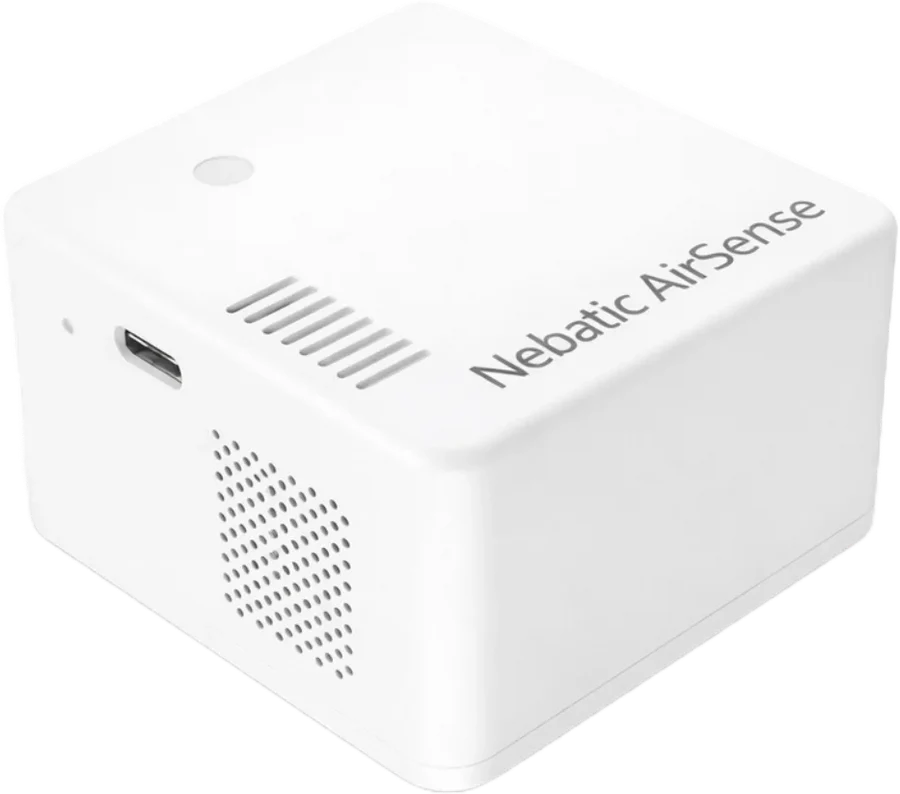
Nebatic AirSense, white measuring device

Nebatic AirSense

The compact sensor for indoor air – for waiting rooms, corridors and side rooms.

Variables

  • CO₂
  • Particulate matter PM1, PM2.5, PM4, PM10
  • VOC
  • Temperature
  • Humidity

Typical rooms

Waiting rooms, corridors, common and side rooms: where the air above all needs to stay in view.

Installation

  1. 1

    Choose positions on the floor plan

    Where the person lies or sits – not in the airflow, not in the sun.

  2. 2

    Place or mount

    Plug-and-play, with little building work and minimal changes to building systems. Agreed with hygiene and the ward routine.

  3. 3

    Connect

    We agree the network connection with your IT or technical staff beforehand.

  4. 4

    Live

    From then on the data flows into the platform, and the models start learning.

The devices are not medical devices and do not replace mandatory monitoring in regulated areas. We measure rooms, not people: no cameras, no data about individual persons.

It is best seen in your own building.

With an audit, we measure in your facility for a limited period and show you the platform with your own rooms.

FAQ

Frequently asked questions

Building energy management system for healthcare: what does the platform do?

As healthcare energy management software, the platform brings together meters, building management data and room readings and assigns each value to a room on the floor plan. It analyses consumption per area, checks equipment continuously and produces reports per ward or area, while showing whether rooms stay within their target ranges.

AI HVAC optimization hospital: how much does the AI control itself?

You decide. For AI HVAC optimization in a hospital, the platform adjusts connected ventilation and heating within limits you set, or gives your team concrete recommendations instead. Sensitive areas such as theatres, critical care and isolation rooms stay with recommendations and follow their own standards. Heating, ventilation, water heating and cooling account for about 63 per cent of energy use in US healthcare facilities, so HVAC is the first place to look.

What is the BACS indoor air quality monitoring requirement?

Under Article 13 of the EPBD (Directive (EU) 2024/1275), building automation and control systems (BACS) in non-residential buildings with systems above 70 kW are required by the end of 2029, where feasible; from 29 May 2026 they must also monitor indoor environmental quality. Germany applies this BACS indoor air quality monitoring requirement in section 56 GModG (as of October 2026, not legal advice). Room sensors and the platform can supply the indoor air quality monitoring data; whether a building is covered is for your engineers and legal advisers to confirm.

Indoor air quality monitoring for hospitals: what is measured?

Indoor air quality monitoring for hospitals starts with the right device: the Nebatic Core measures CO₂, particulate matter (PM1 to PM10), VOC, temperature, humidity, light and sound; the compact AirSense covers the air values. Each reading appears on the floor plan in real time, with trends and quiet alerts when a room leaves its target range. The devices are not medical devices and measure rooms, not people.

IoT sensors for healthcare facilities: how are they installed?

The IoT sensors for healthcare facilities go where the person lies or sits, not in the airflow or the sun. Installation is plug-and-play, without building work or changes to building systems, and the network connection is agreed with your IT beforehand. Fact & Feeling adds sensors only where existing systems leave gaps.